
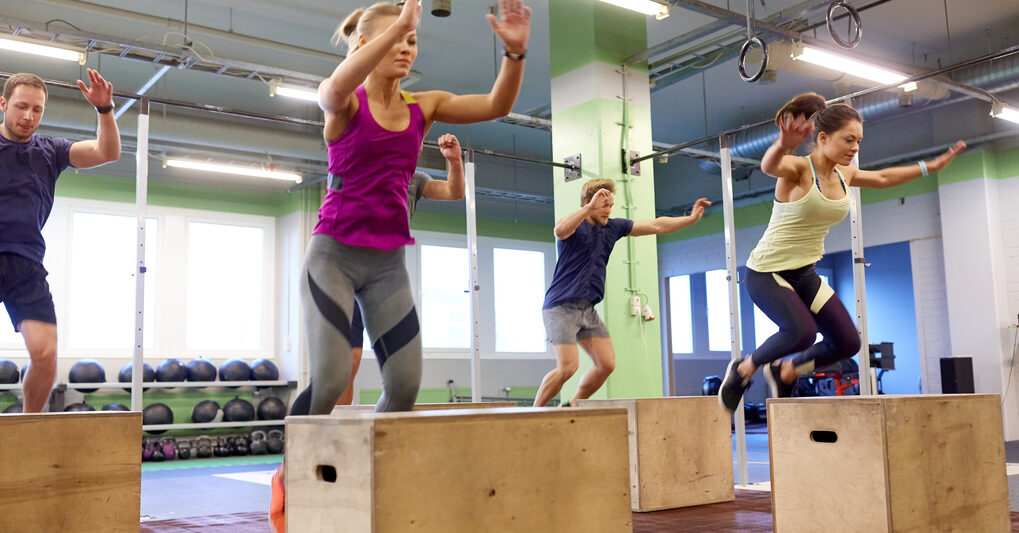

For many millennials, fitness is no longer about chasing perfection or grinding alone with headphones in. It’s about connection, community, and shared energy. From outdoor yoga in the park to spin classes that feel like mini dance parties, millennials are redefining what it means to “work out.” Group workouts are no longer just about burning calories, they’ve become social outlets that blend fitness, friendship, and fun.
The Power of Social Support
Research shows that people who exercise in groups are more consistent and motivated than those who go solo. Social support provides a sense of belonging that enhances mood and boosts confidence. When you’re surrounded by others cheering you on, the focus shifts from competing to connecting. Millennials have embraced this shift, valuing collaboration and shared growth over the pressure to outperform others. Group fitness also keeps things fresh. Whether it’s a CrossFit class that feels like a team sport or a high-energy barre session set to music, these experiences make fitness more exciting and sustainable. Knowing others are expecting you to show up not only holds you accountable, but also makes it easier to build lasting habits and friendships that extend beyond the gym.
Redefining What Fitness Means
Ultimately, millennials are reshaping the culture of fitness from one of comparison to one of connection. It’s not about who lifts the most or runs the fastest, it’s about showing up, supporting others, and feeling stronger together. In a world where wellness can feel performative or commercialized, group workouts bring people back to the heart of it all. So next time you lace up your sneakers, consider bringing a friend or trying a new class. You might find that the best part of your workout isn’t the burn, it’s the bond.
Written by GUADS member Jill with contributions from pubmed.gov
 Digital Detox: Finding Balance with Social Media