
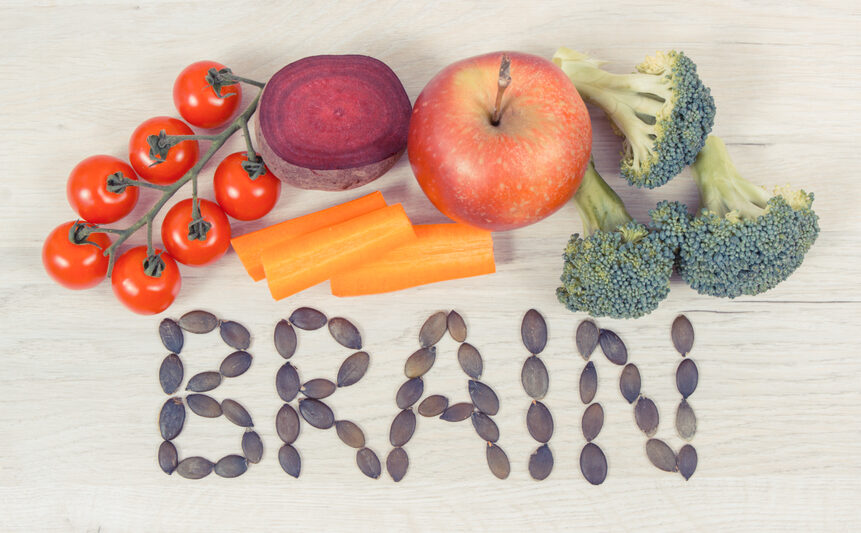
When we think about nutrition, we often focus on physical health, but what we eat can also support brain health. While no single food can prevent memory loss or cognitive decline, research suggests that certain nutrients and eating patterns may help support cognitive wellness throughout life. The good news? Many brain-friendly foods are simple, affordable, and easy to add into your daily routine.
The Power of Omega-3 Fatty Acids
Omega-3 fatty acids are healthy fats that play an important role in brain function. One type of omega-3, called DHA, is a major building block of the brain. Fatty fish such as salmon, tuna, trout, and sardines are excellent sources of these nutrients. Plant-based options include walnuts, chia seeds, and flaxseeds. Looking for ways to add more omega-3s to your day? Try grilled salmon with roasted vegetables, a tuna salad sandwich on whole-grain bread, or a bowl of oatmeal topped with walnuts and chia seeds.
Fill Your Plate with Color
Colorful fruits and vegetables are packed with antioxidants, which help protect cells from damage. Berries, leafy greens, bell peppers, carrots, and sweet potatoes are all nutrient-rich choices that support overall health. A simple way to add more color to your meals is by building a mixed-green salad with a variety of vegetables or blending berries into a smoothie. For a quick snack, try sliced bell peppers with hummus or a handful of fresh berries.
Choose Whole Grains for Lasting Energy
Your brain relies on a steady supply of energy to function properly. Whole grains provide complex carbohydrates that are digested more slowly than refined grains, helping maintain more stable energy levels throughout the day. Easy options include oatmeal for breakfast, brown rice with dinner, or whole-grain toast topped with avocado. Snacks such as whole-grain crackers paired with cheese or hummus can also provide lasting energy between meals.
Make Room for Healthy Fats
Healthy fats found in foods such as avocados, olive oil, seeds, and nuts can support both heart and brain health. These foods are often featured in Mediterranean-style eating patterns, which have been associated with cognitive wellness. Some simple additions include avocado on toast, olive oil-based salad dressings, or pumpkin seeds sprinkled on yogurt or salads. Small changes like these can add flavor while providing beneficial nutrients.
Building Brain-Friendly Habits
While individual foods can contribute to cognitive wellness, your overall eating pattern matters most. Aim to fill your plate with a variety of fruits, vegetables, whole grains, lean proteins, and healthy fats. Pairing healthy eating with regular physical activity, quality sleep, stress management, and social connection can further support brain health and overall well-being.
Supporting Brain Health Year-Round
June is Alzheimer’s and Brain Awareness Month, making it a great opportunity to learn more about habits that support cognitive wellness. Although there is no magic food for brain health, consistently choosing nutrient-rich foods can help support your brain and body for years to come. Small, sustainable changes today can make a difference in your long-term health.
Written by GUADS intern Jill with contributions from alz.org and nih.gov
 Beat the Heat Without Skipping Your Workout!
