
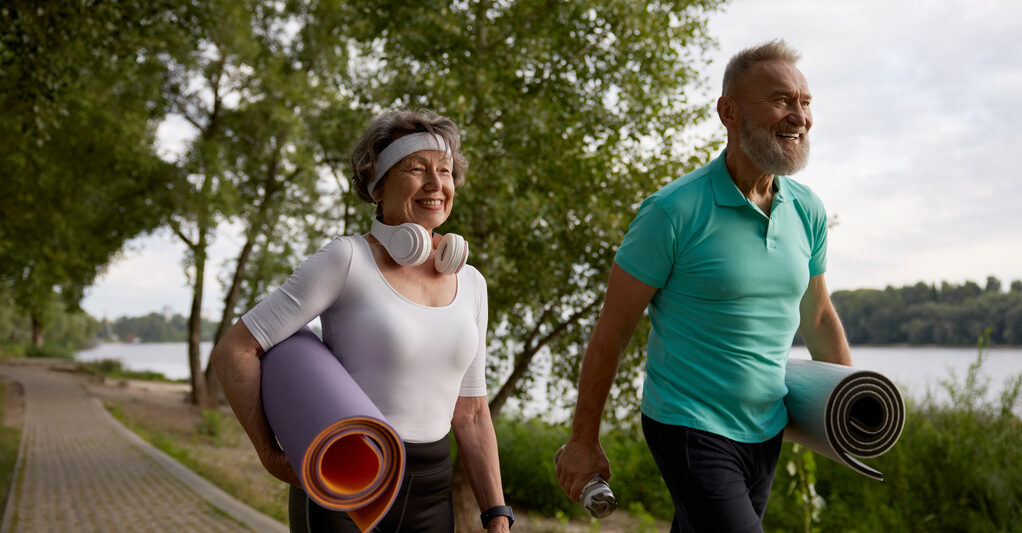

Staying active is one of the most important things older adults can do to support long-term health, independence, and overall quality of life. The good news is that movement does not have to be intense or complicated to be beneficial. In fact, small, consistent activities throughout the day can make a meaningful difference in strength, balance, energy levels, and mood.
Why Movement Matters at Any Age
As we age, it’s natural for muscle mass, bone density, and balance to gradually decrease. However, regular physical activity can help slow these changes and support healthy aging. Movement has been linked to improved heart health, better mobility, reduced risk of falls, and even enhanced brain function. Additionally, staying active can support mental well-being. Activities like walking or stretching can help reduce feelings of stress, improve sleep quality, and boost overall mood. Even light movement can help older adults feel more energized and engaged in daily life.
Everyday Movement Counts
Exercise does not need to mean structured workouts at a gym. Everyday activities are powerful forms of movement. Walking around the neighborhood, gardening, light housework, or even standing up to stretch during the day all contribute to overall activity levels.
Simple ways to add more movement include:
- Taking short walks after meals
- Standing up and stretching every 30–60 minutes
- Doing light household chores like sweeping or folding laundry
- Parking a bit farther away when running errands
- Walking while talking on the phone
These small actions may seem simple, but they add up over time and support both physical and mental health.
Safe and Gentle Ways to Stay Active
For older adults, safety is an important part of any movement routine. Low-impact activities such as walking, chair exercises, water aerobics, and gentle yoga are often great options. These activities help build strength and flexibility without putting too much strain on the joints. Balance-focused exercises are also especially beneficial. Simple movements like standing on one foot while holding a sturdy surface or practicing heel-to-toe walking can help reduce the risk of falls over time.
It’s always important to listen to your body, start slowly, and choose activities that feel comfortable and enjoyable!
Making Movement Enjoyable and Sustainable
The best type of movement is the kind that feels good enough to continue doing. Listening to music while walking, joining a community class, or exercising with a friend can make physical activity more enjoyable and social. Setting small, realistic goals can also help build consistency. Even 10–15 minutes of movement a few times a day can be meaningful when done regularly.
Supporting Healthy Aging Through Movement
Staying active is not about doing more, it’s about moving in ways that support your body and lifestyle. For older adults, regular movement can help maintain independence, improve daily function, and enhance overall well-being.With simple, consistent habits, movement can become a natural and enjoyable part of everyday life at any age.
Written by GUADS member Jill with contributions from cdc.gov and odphp.health.org
 Feed Your Mind: Foods That Support Cognitive Wellness