

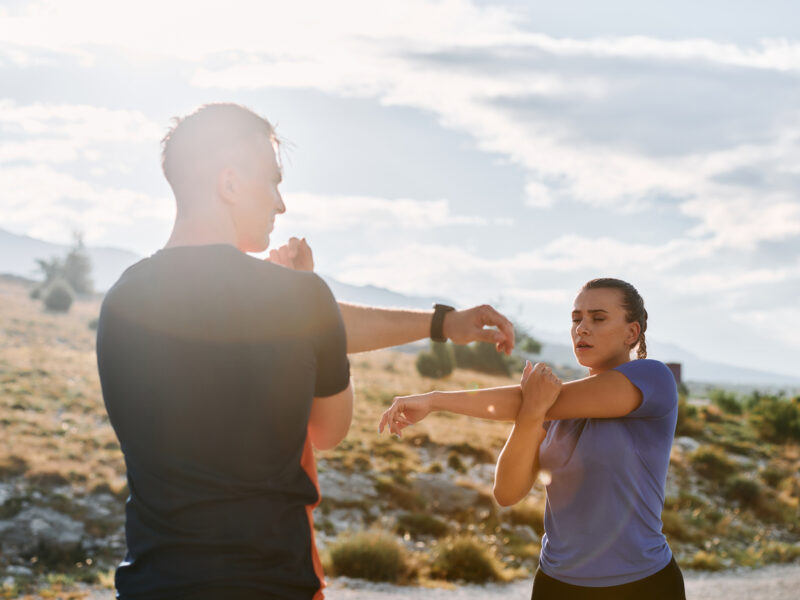
When it comes to fitness, it’s easy to think progress only happens on the days you’re lifting heavy or pushing through tough workouts. Here’s the truth: recovery is just as important as the work itself. Active recovery isn’t about skipping training, it’s about training smarter. By moving at a lower intensity, you are giving your muscles time to heal while still improving circulation, flexibility, and overall performance.
What Is Active Recovery and Why It Helps
Active recovery is low-intensity movement that gets your blood flowing without causing extra muscle damage. Think of it as “light training” that helps your body bounce back. Benefits include:
- Reduced muscle soreness
- Improved mobility and flexibility
- Faster healing between workouts
- Better energy for your next training day
Examples of Active Recovery Workouts
These can be done almost anywhere and don’t require a lot of equipment:
- A light yoga flow or stretching routine
- Easy walking or a gentle hike
- Swimming or cycling at a relaxed pace
- Foam rolling or mobility drills
- Core stability and balance work
How to Work Active Recovery Into Your Week
Active recovery isn’t a free pass to skip movement, it’s intentional training with less intensity. Try adding it:
- After two or three hard training sessions
- On days when you feel sore or stiff
- As a midweek “reset” to keep momentum going
Pro Tips for Better Recovery
- Stay hydrated and fuel your body with protein
- Focus on quality sleep
- Warm up properly, even on recovery days
- Target tight areas like hips, hamstrings, and shoulders
Sample Week of Training + Recovery
Monday: Strength (upper body)
Tuesday: Active recovery (walk + stretch)
Wednesday: Strength (lower body)
Thursday: Light cardio + mobility
Friday: Strength (full body)
Saturday: Active recovery (yoga or hike)
Sunday: Rest or leisure walk
Training hard builds strength. Recovery makes it possible to keep building without burning out. Active recovery is your secret weapon. It keeps you consistent, helps prevent injuries, and ensures every workout pays off. Train well by making recovery just as much a priority as the work itself!
Written by GUADS intern Natalie
 The Science of Smiling :)