
Anxiety and stress are part of everyday life. For some, they show up as a racing heart, restless thoughts, or tightness in the chest. While these feelings can be uncomfortable, there are practical steps you can take to make them easier to manage.
In the Moment
Pause and Breathe
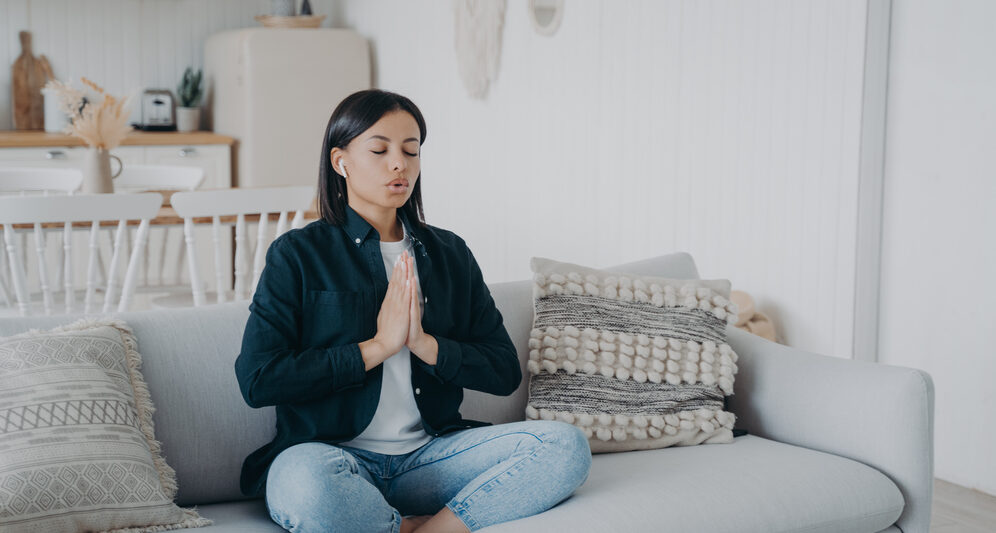
When anxiety strikes, one of the quickest ways to calm down is through slow, steady breathing. Try inhaling for a count of four, holding briefly, and exhaling for a count of five or six. A few minutes of this can signal your body to relax.
Ground Yourself
If your thoughts are spinning, grounding techniques bring you back to the present. One simple exercise is to notice five things you can see, four you can touch, three you can hear, two you can smell, and one you can taste.
Limit Triggers
Caffeine, alcohol, and too much scrolling or news can make anxiety worse. Sleep also plays a big role, keeping a consistent bedtime can make stress easier to manage.
Talk It Out
Sharing what you’re feeling with a friend, family member, or counselor can lighten the load. Sometimes simply saying your worries out loud makes them feel more manageable.
Building Long-Term Habits
Coping in the moment is important, but long-term habits are what really matter. Some things to consider are to…
- Know your triggers. Pay attention to what sets off your stress or anxiety. The more aware you are, the sooner you can respond with strategies.
- Stay consistent. If you’re working with a therapist or using a treatment plan, stick with it. Regular practice of coping skills makes them more effective.
- Prioritize self-care. Getting enough rest, eating balanced meals, and taking time to recharge are essential for reducing stress. Setting boundaries and saying “no” when you need to also helps.
When to Seek More Help
If anxiety or stress begins to interfere with daily life, such as sleep, work, or relationships, it may be time to seek professional support. If you’d like to reach out, here are a few trusted resources:
- Anxiety and Depression Association of America (ADAA): offers support groups, education, and a directory of professionals.
- SAMHSA (Substance Abuse and Mental Health Services Administration): provides free resources and a national helpline.
- Local mental health professionals: therapists, counselors, or doctors can help you build a personalized plan.
You don’t have to face stress and anxiety alone. Small daily steps, along with reaching out for support when needed, can make a big difference!
Written by GUADS intern Kate with contributions from adda.org
 5 Simple Changes to Incorporate More Movement Into Your Daily Routine