
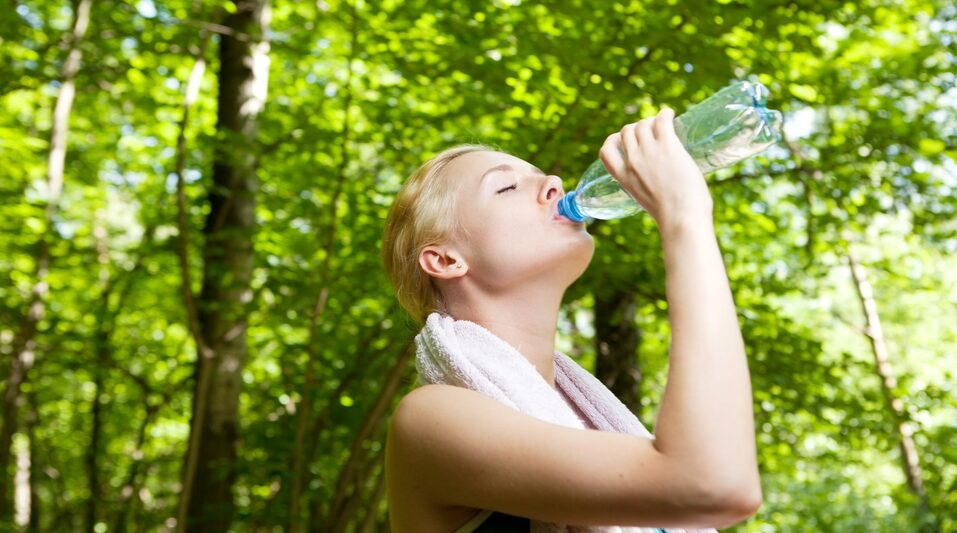
Staying hydrated is one of the simplest ways to support your overall health, yet there is a lot of misinformation surrounding how much water we need and the best ways to stay hydrated. Since today is National Hydration Day, let’s clear up some common hydration myths and focus on what the science actually says. Understanding the facts can help you make informed choices and support your health everyday.
Myth #1: Everyone Needs Eight Glasses of Water a Day
One of the most common hydration myths is that everyone should drink exactly eight glasses of water daily. While staying hydrated is important, there is no one-size-fits-all recommendation. Individual water needs can vary based on factors such as age, body size, physical activity level, climate, and overall health. Some people may need more water, while others may need less. Paying attention to your body’s signals and drinking fluids throughout the day can be a more practical approach.
Myth #2: Coffee and Tea Always Cause Dehydration
Many people believe that caffeinated beverages automatically dehydrate the body. While caffeine can have a mild diuretic effect, research shows that moderate amounts of coffee and tea still contribute to your daily fluid intake. If you regularly consume caffeinated beverages, your body adapts to their effects over time. Water is still a great choice, but your morning cup of coffee does not cancel out your hydration efforts.
Myth #3: Water or Nothing
Water is an excellent source of hydration, but it is not the only one. Many foods contain significant amounts of water and can contribute to your fluid intake. Fruits and vegetables such as watermelon, cucumbers, strawberries, oranges, and lettuce are naturally hydrating while also providing important vitamins, minerals, and fiber. Milk, soups, and other beverages can also help support hydration as well.
Myth #4: Thirst is the First Sign of Dehydration
Waiting until you feel thirsty may not always be the best strategy. Thirst is a sign that your body is already beginning to need more fluids. Other early signs of dehydration can include headaches, fatigue, dry mouth, dizziness, or difficulty concentrating. Developing regular hydration habits throughout the day may help prevent dehydration before symptoms occur.
Focus on the Facts
Hydration does not have to be complicated. Rather than following rigid rules or believing common myths, focus on drinking fluids consistently, eating water-rich foods, and paying attention to how your body feels. This National Hydration Day, take a moment to evaluate your hydration habits and make small changes that support your overall well-being. Staying hydrated is a simple step that can have a meaningful impact on your health.
Written by GUADS member Jill with contributions from mayoclinic.org
 Move More, Feel Better: The Power of Daily Movement for Older Adults