
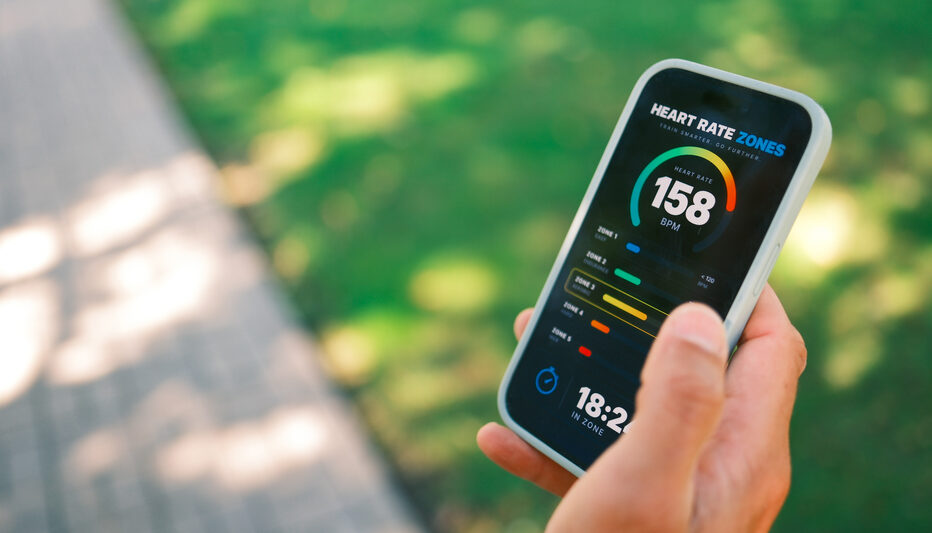
As new fitness tracking devices continue to emerge, it’s easy to get caught up in step counts, calories burned, weight, miles, workout minutes, heart rate, and daily streaks. While these metrics can be useful, they can also make health feel like a score to achieve rather than a bigger picture of overall wellbeing. Fitness trackers can tell you a lot about your activity, but they can’t tell you everything about your health.
A New Standard for Fitness
Numbers and fitness statistics are everywhere, especially on social media. Seeing others reach certain step counts or burn a specific number of calories can create pressure to meet those same goals. Over time, metrics that were intended to be helpful tools can make physical activity feel like another task to check off a list. Not reaching 10,000 steps or burning a certain number of calories doesn’t mean your workout didn’t count. Likewise, hitting a daily goal doesn’t automatically mean you’re healthy. Movement is valuable for many reasons, and its benefits can’t always be measured by a number on a screen.
There Is No Magic Number
The 10,000-step goal is often presented as the standard for daily movement, but it isn’t a one-size-fits-all requirement for good health. Your schedule, physical abilities, environment, and access to opportunities for physical activity all influence how much you move each day. Your activity levels may also look different from one day to the next. You might have time for an hour-long workout one day and only 20 minutes for an at-home session the next. On other days, movement might come from running errands, cleaning the house, gardening, or walking to work. All of these activities contribute to movement throughout the day. Rather than focusing on meeting a specific number, consider what feels realistic for you and how you can incorporate movement into your daily routine.
What the Numbers Can’t Tell You
Fitness trackers can provide useful information about your activity, but they can’t capture the full experience of movement. They may record your heart rate or workout duration, but they can’t fully reflect how you feel physically or emotionally. Maybe you feel stronger than ever, notice that your endurance has improved, or finish a walk feeling less stressed. Physical activity can also be a way to connect with friends, spend time outdoors, clear your mind, or participate in something you genuinely enjoy. Such experiences are meaningful parts of well-being, even when they don’t show up in your daily statistics.
Health Is About More Than Exercise
Physical activity is an important part of overall health, but it is only one piece of the puzzle. Nutrition, sleep, stress, social connections, genetics, and environmental factors also influence well-being. Two people could have identical fitness tracker statistics but have very different health needs, experiences, and circumstances. A single metric cannot account for all these differences or provide a complete picture of someone’s health. Looking beyond the numbers allows us to recognize that health is personal and influenced by much more than exercise alone.
Focus on How You Feel, Not Just What You Achieve
Fitness trackers can be helpful tools for understanding activity patterns, setting goals, and monitoring progress. The key is to use these numbers as a guide rather than as a measure of your worth or overall health.There is no universal number of steps, workout minutes, miles, or running speed that guarantees good health. Instead, find forms of movement that you enjoy, fit your abilities, and work with your lifestyle. Pay attention to how you feel, celebrate progress that may not appear on a screen, and give yourself flexibility on days when your routine looks different.Your health is much bigger than a number, let your fitness tracker support your wellbeing, not define it.
Written by GUADS intern Emma with contributions from news.cuanschutz.edu
 Fall’s Favorite Fruit: The Benefits of Apples