
Movement looks different at every age, but its importance stays the same. Whether you’re in your 20s juggling school and work or in your 70s focusing on staying independent, the right kind of movement can support strength, energy, and quality of life. I’ve seen this not only in my own life but also through my experiences working with older adults, who constantly remind me that movement truly is lifelong.
Your 20s: Building the Foundation
In your 20s, your body recovers quickly, muscles build fast, and habits feel flexible. It’s the perfect time to create a foundation: strength training, daily movement, and consistency. For me, my 20s have been a mix of long days on campus, long shifts at work, and constantly trying new workouts. I’ve learned that even short bursts of movement, like a quick walk between classes or a 10-minute strength routine, make a huge difference in my energy and mood.
Your 30s & 40s: Balance and Maintenance
Movement becomes less about intensity and more about sustainability. Strength training remains essential to maintain muscle, but mobility and core stability start playing a bigger role. I’ve watched friends in their 30s discover mobility flows and Pilates because their backs “mysteriously” started hurting after sitting too long. It’s a reminder that movement in this stage isn’t about pushing harder, it’s about moving smarter.
Your 50s & 60s: Protect and Preserve
As metabolism shifts and muscle mass naturally declines, regular strength training, walking, and low-impact cardio help maintain independence and energy. Working with older adults showed me that even the little victories like moving up the stairs with ease, or lifting everyday items more comfortably can boost confidence in a big way. Many of them told me they wished they had stayed consistent earlier in life!
Your 70s and Beyond: Keep Moving, Keep Living
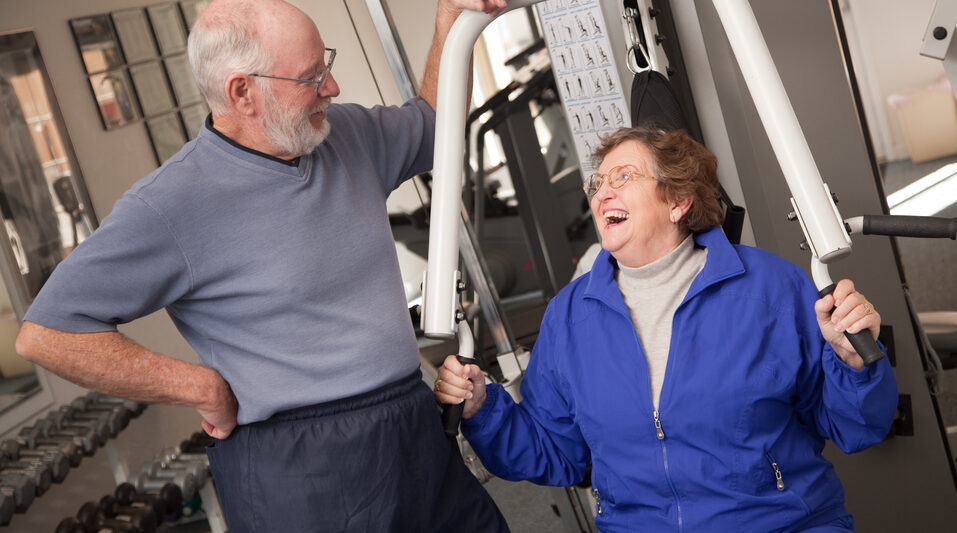
Movement in this stage is about joy, connection, and functionality. Balance work, stretching, light strength exercises, and social forms of movement, like group classes or walking with friends become extremely valuable. Even small, consistent activities can improve strength, stability, and overall well-being. Staying active at this stage isn’t about intensity, it’s about finding enjoyable ways to move that support independence, boost energy, and enhance quality of life!
Written by GUADS member Jill
 Cortisol – The Stress Hormone You Need to Know About