
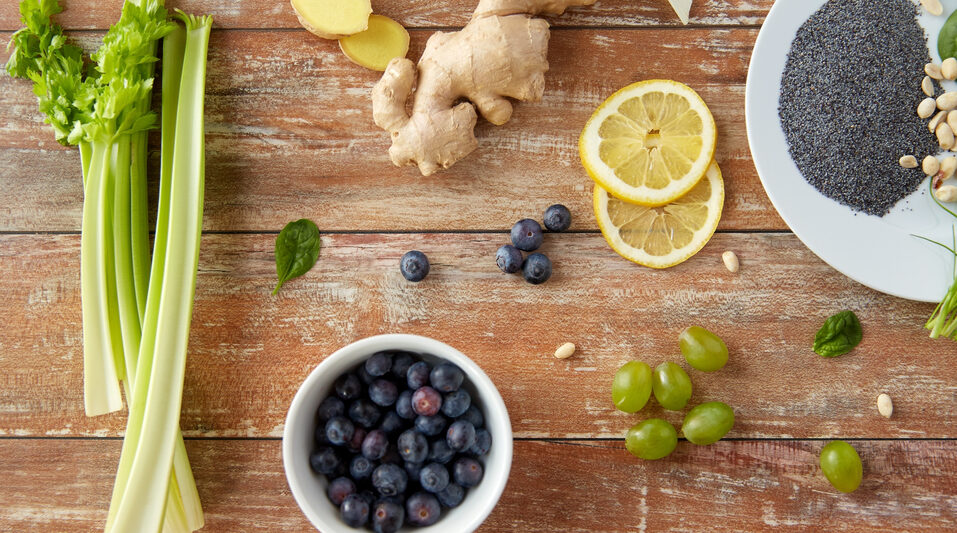
Kale, chia seeds, goji berries, and dozens of other ingredients have earned the label of “superfoods.” They’re often advertised as miracle workers, claiming to reverse aging, boost mood and energy, and even prevent disease. Sounds amazing, right? The real question is whether these foods truly live up to the hype or if they’re simply another trend encouraging us to spend money on expensive ingredients.
There’s no doubt that berries, seeds, leafy greens, and similar foods are full of nutrients that support a healthy diet. The idea that any single food can cure, reverse, or prevent disease, however, is much more complicated. A balanced diet, regular physical activity, quality sleep, and stress management all work together to support health. Superfoods can play a helpful role, yet they are not magic solutions on their own.
What Makes a Food “Super”?
Foods labeled as superfoods typically offer an impressive nutritional profile. Many are rich in antioxidants that protect cells from damage. Others supply essential minerals like calcium, potassium, and iron, nutrients that keep the body functioning smoothly. They often contain high amounts of fiber to help lower cholesterol, flavonoids with anti-inflammatory properties, and heart-healthy monounsaturated and polyunsaturated fats. These nutrients are undeniably beneficial and support overall wellness when included as part of a varied diet.
Why “Cure” Claims are Misleading
Superfoods are frequently marketed with buzzwords such as detox, anti-aging, and healing. Many of these claims lack strong scientific evidence and are not closely regulated by the FDA. These terms are often used to attract attention and persuade consumers to purchase products that may not deliver the promised results. Superfoods offer nutritional value, yet they should not be viewed as cures or quick fixes.
What Actually Works
A truly healthy diet includes a balance of carbohydrates, fats, proteins, vitamins, and minerals from a diverse range of foods. Pairing this with regular movement, adequate sleep, and supportive mental health habits provides meaningful long-term benefits. No single food can replace the impact of a well-rounded lifestyle. They are powerful tools, and like any tool, they work best as part of a complete, consistent plan.
Written by GUADS intern Emma with contributions from uclahealth.org
 Holiday Hustle: Fun Ways to Move While Traveling