

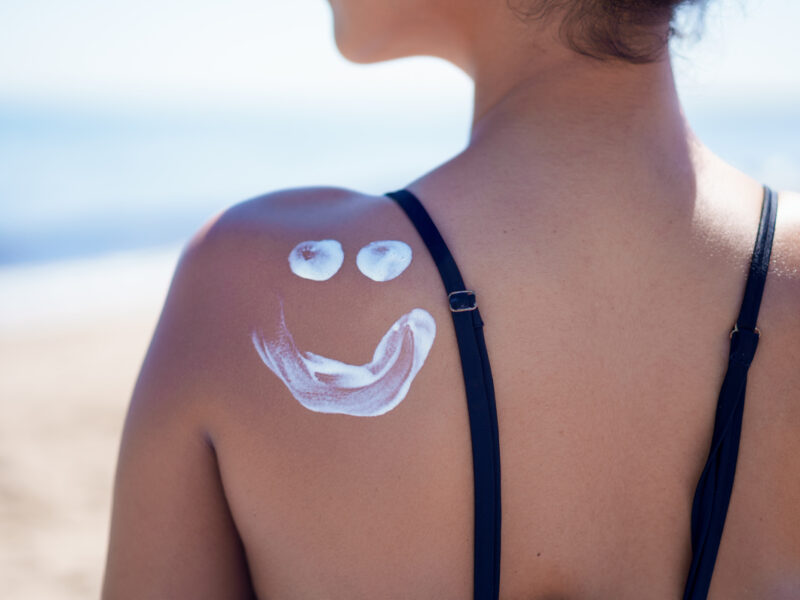
Spending time outdoors offers many health benefits, from boosting your mood to encouraging physical activity and helping your body produce vitamin D. Sunshine can be an important part of a healthy lifestyle, yet protecting your skin is just as essential. Too much exposure to ultraviolet (UV) rays increases the risk of sunburn, premature skin aging, and skin cancer. Finding the right balance means enjoying time outside while practicing healthy sun habits and supporting your vitamin D needs in safe ways.
Why Vitamin D Is Important
Vitamin D plays an essential role in overall health. The body relies on it to absorb calcium, maintain strong bones and teeth, support muscle function, and contribute to a healthy immune system. Many people are able to meet their vitamin D needs through a combination of sunlight, foods, and sometimes dietary supplements (when recommended by a healthcare provider). Fatty fish such as salmon and tuna, egg yolks, fortified dairy products, and fortified plant-based milk alternatives are common dietary sources of vitamin D beyond the sunshine.
Sunlight and UV Exposure
Sunlight is the most natural source of vitamin D, yet more sun exposure is not always better. Ultraviolet radiation can damage skin cells even before a sunburn becomes visible. Damage accumulates over time and contributes to wrinkles, age spots, and an increased risk of skin cancer. Several factors influence how much vitamin D your body produces from sunlight, including the time of day, season, geographic location, cloud cover, skin tone, age, and the amount of skin exposed. These differences mean that staying in tune with your body and being aware of how much sun you’ve been exposed to is key.
Does Sunscreen Prevent Vitamin D?
One common misconception is that wearing sunscreen completely blocks vitamin D production. Research has shown that regular sunscreen use does not typically lead to vitamin D deficiency in everyday life. Most people still receive some form of sun exposure while walking outdoors, driving, or completing daily activities. However, we recommend using a broad-spectrum sunscreen (SPF of 30 or higher), wearing protective clothing, seeking shade when UV levels are high, and wearing sunglasses that block both UVA and UVB rays. Habits like these can help reduce harmful UV exposure while still allowing you to maintain healthy vitamin D levels.
The Balance Between Vitamin D and Sun Safety
Supporting your vitamin D levels does not require spending long periods in the sun without protection. A balanced approach includes eating foods rich in vitamin D, following sun safety recommendations, and talking with your healthcare provider if you are concerned about your vitamin D status.
Simple sun protection habits can help lower your risk of UV damage while allowing you to enjoy time outdoors:
- Apply a broad-spectrum sunscreen with SPF 30 or higher about 15 minutes before going outside and reapply every two hours, or after swimming or sweating.
- Wear protective clothing, such as lightweight long sleeves, a wide-brimmed hat, and sunglasses that block 99% to 100% of UVA and UVB rays.
- Seek shade, especially between 10 a.m. and 4 p.m., when UV rays are typically strongest.
- Check the UV Index before spending extended time outdoors so you can plan activities and take extra precautions on days with high UV levels.
- Stay hydrated, especially during hot weather, since spending time in the sun can increase fluid loss through sweat.
Remember…
Healthy habits should protect both your bones and your skin. Practicing sun safety while maintaining adequate vitamin D intake allows you to enjoy the benefits of being outdoors while reducing your risk of long-term UV damage. Small, consistent choices can make a meaningful difference in supporting your overall wellness throughout every season.
Written by GUADS member Jill with contributions from aad.org and cdc.gov
 Fun Weekend Movement Ideas for Busy Families!