
Movement looks different for everyone and that’s a good thing. The way you like to move your body often reflects what you value, what your body needs, and how you connect with your health. There’s no “best” form of exercise; the best movement is the one you’ll actually keep coming back to.
If You Love Walking or Low-Impact Movement
If walking, stretching, or gentle mobility work is your go-to, you may value consistency and mental clarity. These forms of movement support cardiovascular health, joint mobility, and stress reduction while being accessible and sustainable. Walking, in particular, has been linked to improved mood, better sleep, and long-term health benefits, proof that movement doesn’t always have to be intense to be effective.
If You Prefer Strength Training
Those drawn to strength-based movement often appreciate feeling capable and strong. Resistance training supports bone density, muscle mass, and metabolic health, especially as we age. Beyond physical benefits, strength training can boost confidence and functional independence, reinforcing the idea that exercise is about what your body can do, not just how it looks.
If You Enjoy High-Energy or Cardio-Based Workouts
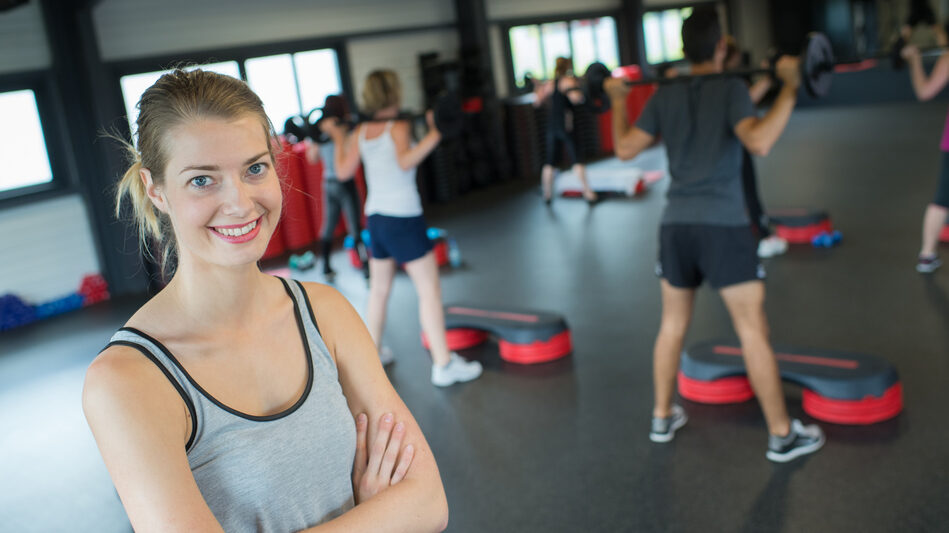
Whether it’s running, cycling, or group fitness classes, high-energy movement can reflect a love for challenge and momentum. These activities support heart health, endurance, and stress relief. For many people, cardio provides structure and a sense of accomplishment, which can be just as valuable as the physical benefits.
If You Gravitate Toward Mind-Body Movement
Yoga, Pilates, and similar practices often appeal to those who value balance and awareness. These forms of movement emphasize breath, alignment, and connection, supporting flexibility, posture, and nervous system regulation. Mind-body exercise highlights that wellness isn’t just physical, it’s mental and emotional, too.
The Bigger Picture: It All Counts
Your favorite type of movement doesn’t define your health, it supports it. Different forms of exercise offer different benefits, and preferences may shift over time based on energy, stress, or life stage. What matters most is choosing movement that feels supportive, enjoyable, and sustainable. When exercise aligns with who you are, it becomes less of a chore and more of a lifelong habit.
Written by GUADS member Jill with contributions from linkspringer.com
 Wellness OFFline